Modern imaging departments reach high levels of operational success when leaders pay attention to people, process, and technology in equal measure. Strong coordination between clinicians, technologists, and administrative staff keeps systems running smoothly and reduces needless friction.
A lot of efficiency comes from understanding what happens behind the scenes at an imaging center, where small adjustments in workflow make a big difference.
Practical steps like clear protocols, measured performance targets, and smart scheduling add up to steady gains that stack over time. When teams work with shared goals and plain spoken communication, the whole unit runs more like a well tuned engine than a maze of loose ends.
Leadership And Culture
Leadership in imaging services sets the tone for daily practice by modeling priorities and making choices that matter at the front line. A transparent style that mixes frank feedback with genuine praise helps staff stay engaged and feel safe to raise concerns without fear.
When leaders carve out time to listen, small problems get fixed before they balloon, and many hands make light work of big tasks. Culture that rewards curiosity and steady improvement leads people to pitch in and own the outcomes.
Workflow Standardization
Standardized protocols cut down on variation that can slow throughput or produce uneven outcomes. Clear checklists for patient prep, image acquisition, and reporting reduce the cognitive load on staff and free up time for complex cases.
Once a baseline process is in place, teams can tinker with steps in small, deliberate ways that yield reliable improvement. Regular review of how work actually flows often reveals low hanging fruit that boosts efficiency fast.
Scheduling And Throughput
Smart scheduling balances demand with available capacity so machines and staff do not sit idle or get overwhelmed. Time slots that reflect realistic procedure lengths and patient needs help decrease waiting and reduce last minute chaos.
Block planning for high intensity studies, coupled with short slots for quick checks, smooths patient movement through the unit. When cancellations happen, having a simple standby list keeps scanners humming rather than collecting dust.
Technology Integration
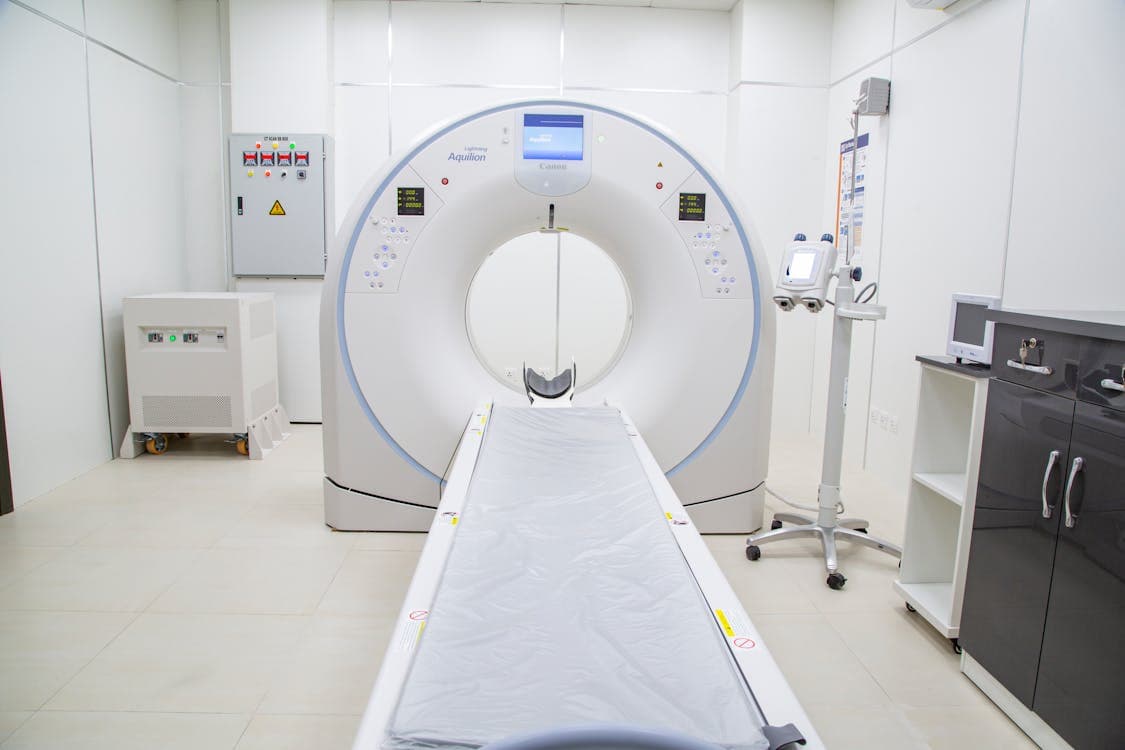
Modern scanners and software offer impressive capability, but success depends on how those tools fit the daily grind. Interfacing equipment with the hospital electronic record and with reporting tools cuts down on duplicate entries and speeds report turnaround.
Thoughtful adoption of new features rather than chasing every shiny update keeps teams from feeling swamped by constant change. When tech matches the people who use it, it becomes a helper not a hurdle.
Data Management And Analytics
Good data practices turn raw numbers into usable signals that guide decisions about volume, staffing, and quality. Simple dashboards that show wait times, study mix, and report lag help managers spot trends before they become problems.
Careful attention to data cleanliness and consistent labeling makes analysis easier and more trustworthy. When teams use clear metrics, they can run experiments that answer real questions about how to improve service.
Staff Training And Development
Ongoing skill building is what keeps a department nimble and ready to meet new demands without panic. Short focused sessions on new protocols, image review, and communication boost confidence far more than one long seminar every few years.
Cross training some staff so they can step into adjacent roles reduces bottlenecks at peak times and makes coverage more flexible. Recognition of progress and clear paths for growth keep good people from drifting away.
Patient Experience And Communication
Patients judge an imaging service by how they are treated and how smooth the visit feels from start to finish. Clear pre appointment instructions and warm welcome at the front desk lower anxiety and reduce wasted time when people arrive with the wrong prep.
Simple verbal cues during the scan and a brief plain language summary at the end help patients feel informed and respected. Small touches like timely contact about results and courteous phone follow up go a long way in building trust.
Quality Assurance And Safety
Quality monitoring that focuses on practical checks keeps risk where it belongs and helps teams learn from near misses. Regular image review sessions and peer feedback create an atmosphere where continuous improvement is part of the day to day routine.
Safety practices such as clear side checks and equipment logs protect patients and staff, and they pay off in fewer interruptions and smoother workflows. When quality is woven into normal work, compliance becomes second nature.
Financial Management And Resource Allocation
Sound financial oversight helps an imaging unit match capacity to demand without cutting corners on care. Tracking supply use, maintenance costs, and study revenue provides a clear picture of where costs creep up and where margins can be improved.
Prioritizing investments that shorten study times or reduce repeat scans often returns cost savings while improving care at the same time. Fiscal discipline combined with smart reinvestment keeps services resilient and ready for new pressures.
